The Science Hub — Journal of Supplement Science
Vol. 1 · No. 1 17 May 2026
Narrative Review · Peer-Reviewed

The Science of Creatine Monohydrate: A Narrative Review of Mechanisms, Efficacy and Safety

An evidence synthesis spanning endogenous biosynthesis, pharmacokinetics, ergogenic performance, neurological applications, and clinical safety profile, drawn from researched and peer-reviewed sources.

The Science Hub Editorial Group

Editorial review by experts in sports nutrition, exercise physiology, and clinical pharmacology.

Abstract

Background

Creatine, a guanidino compound endogenously synthesized in the kidney and liver and obtained dietarily from animal-source foods, has been studied as an ergogenic and therapeutic agent for over three decades. Despite a substantial evidence base, public-facing claims and supplement marketing continue to diverge from the peer-reviewed literature.

Objective

To provide a neutral, source-attributed synthesis of the current evidence on creatine monohydrate, addressing biochemistry, pharmacokinetics, ergogenic performance, neurological applications, women's-health applications, dosing, and safety, and to make explicit where evidence is robust, where it is preliminary, and where it is contested.

Sources

Multiple peer-reviewed sources were selected, prioritizing systematic reviews and meta-analyses (n = 14), position stands from recognised scientific bodies (n = 3), randomized controlled trials (n = 23), and mechanistic studies (n = 18). Searches covered PubMed, PMC, and recent Frontiers and JISSN issues through May 2026.

Principal Findings

Commercial creatine monohydrate is produced through a four-step synthetic process — condensation, crystallisation, purification, and milling — with post-crystallisation milling determining particle grade: standard (100–500 µm), micronized (10–100 µm), ultra-micronized (1–10 µm), and nano-grade (below 1 µm). Smaller particles dissolve faster, but thermodynamic solubility remains fixed at 13 g/L regardless of particle size. Once dissolved, intestinal absorption via the CRT1 transporter is near-complete across all grades, and muscle creatine accumulation plateaus at approximately 150–160 mmol/kg dry mass irrespective of particle grade. Micronization improves dissolution speed, mouthfeel, and formulation flexibility — not ergogenic outcomes.

Physiologically, supplementation elevates muscle phosphocreatine stores by 15–40% at maintenance doses of 3–5 g/day, directly enhancing ATP resynthesis during high-intensity efforts. Pooled meta-analytic data confirm consistent improvements in maximal strength, anaerobic power, and lean body mass alongside resistance training. No significant adverse effects have been identified at doses up to 30 g/day over five years.

Emerging evidence extends applications to cognition under metabolic stress, mood disorders, traumatic brain injury recovery, female-specific physiology, and sarcopenia — a growing body of research underpinned by creatine's established role in neuronal energy homeostasis.

Limitations

Several recent cognition meta-analyses contain unit-of-analysis errors that may have inflated reported effect sizes. Long-term data in pregnancy, paediatric populations, and pre-existing kidney disease remain limited. Most trials are of short-to-medium duration relative to typical lifetime use patterns.

Contents

1 Chemistry and identity
2 Endogenous biosynthesis
3 The phosphocreatine system
4 Pharmacokinetics and SLC6A8
5 Commercial forms
6 Production and Particle Size
7 Performance and strength
8 Neurological effects, aging & women's health
9 Dosing and protocol
10 Safety and contested claims
11 Discussion and limitations
R References
Section 1 — Chemistry and Identity

Chemical identity and tissue distribution

Creatine (α-methylguanidinoacetic acid; C4H9N3O2) is a non-protein nitrogenous compound of the guanidine phosphagen family. Its molecular mass is 131.13 g/mol; in its most stable crystalline solid it carries a single co-crystallized water molecule, yielding creatine monohydrate (149.15 g/mol) with theoretical water content of 12.07% w/w [1,2].

Across a 70 kg adult, the total body pool is approximately 120 g of creatine, of which around 95% resides in skeletal muscle as a dynamic equilibrium between free creatine and phosphocreatine. The remaining ~5% is distributed across the brain, myocardium, kidneys, and testes [3,4]. Within muscle tissue, approximately two-thirds of the creatine pool is phosphorylated (phosphocreatine, PCr) under resting conditions; the ratio shifts rapidly toward free creatine during high-intensity contraction.

The molecule’s most physiologically consequential structural feature is the guanidino group at C-2, which serves as the phosphoryl acceptor in the creatine kinase reaction. This single chemical detail – a transferable high-energy phosphate bond on a small, water-soluble molecule – is the basis for creatine’s role in cellular energy buffering.

Baseline muscle creatine concentration varies by diet. Omnivores, who obtain 1–2 g/day of creatine from meat and fish, exhibit muscle total-creatine values of approximately 120 mmol/kg of dry muscle. Vegetarians and vegans, who rely entirely on endogenous synthesis, exhibit baseline values approximately 10–30% lower [1,19]. This baseline difference is associated with a correspondingly larger absolute response to supplementation in plant-based individuals – a point returned to in Section 7.
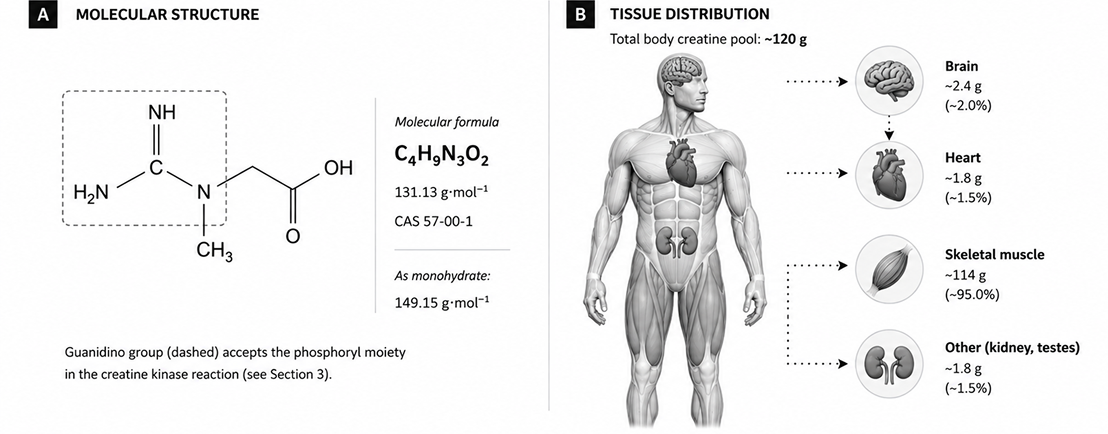
FIGURE 1 Structural identity and tissue distribution of creatine in a 70 kg adult.
(a) Skeletal formula of creatine highlighting the guanidino functional group at C-2. (b) Tissue distribution of the total body creatine pool, by mass.
Structural identity and tissue distribution of creatine
Fig. 1. Panel a shows the skeletal structure with the guanidino group (dashed outline) and methyl group highlighted; this group is the site of phosphoryl transfer during the creatine kinase reaction (Section 3). Panel b shows tissue distribution by mass, with skeletal muscle comprising the dominant compartment. Values are typical adult means and vary by sex, body composition, and dietary creatine intake. Sources: Kreider et al. 1; Wyss & Kaddurah-Daouk 2.

Daily creatine turnover in adults is approximately 1.7% of the total body pool, corresponding to roughly 2 g of creatine that is converted irreversibly to creatinine (a spontaneous cyclisation product) and excreted in urine. This loss must be balanced by some combination of endogenous synthesis and dietary intake, the proportions of which vary by individual [3,4].

Enlarged academic structure figure
Section 2 — Endogenous Biosynthesis

A two-enzyme inter-organ pathway from three amino acids

Creatine synthesis requires three amino acids, glycine, arginine and methionine, and three enzymes, methionine adenosyltransferase (MAT), arginine:glycine amidinotransferase (AGAT) and guanidinoacetate methyltransferase (GAMT) [3,5].

The rate-limiting first reaction is catalysed by L-arginine:glycine amidinotransferase (AGAT; EC 2.1.4.1), with highest activity in renal cortex and pancreas whereas the activity of GAMT is highest in the liver. AGAT transfers a guanidino group from arginine to glycine, yielding guanidinoacetic acid (GAA) and ornithine. GAA enters circulation and is taken up by hepatocytes, where the second enzyme, guanidinoacetate methyltransferase (GAMT; EC 2.1.1.2), transfers a methyl group from S-adenosylmethionine (SAM) to yield creatine and S-adenosylhomocysteine. Newly synthesized creatine returns to circulation and is taken up actively by extra-hepatic tissues via the SLC6A8 transporter [3,4].

AGAT is down-regulated by intracellular creatine, providing the principal regulatory mechanism. This explains why supplementation effectively replaces — rather than adds to — endogenous synthesis in the short term, sparing the methylation cost detailed below [6].

The methylation step of creatine synthesis imposes a considerable burden on methyl group balance and methionine metabolism, as it consumes approximately 40% of all S-adenosylmethionine (SAM) utilized by methyltransferase reactions in the body. SAM is regenerated endogenously through methylneogenesis, a process critically dependent on B-vitamin status. This pathway requires the sequential actions of three enzymes: serine hydroxymethyltransferase (SHMT), which generates one-carbon units from serine; 5,10-methylenetetrahydrofolate reductase (MTHFR), which catalyzes the irreversible reduction of 5,10-methylenetetrahydrofolate to 5-methyltetrahydrofolate using NADPH (derived from niacin) as a reductant and FAD (derived from riboflavin) as a prosthetic group; and methionine synthase (MS), which transfers the methyl group from 5-methyltetrahydrofolate to homocysteine to regenerate methionine. Notably, MS is one of only two known mammalian enzymes that require vitamin B12, in the form of methylcobalamin, as a cofactor. The dependence of this regenerative cycle on folate, riboflavin, niacin, and cobalamin underscores the extent to which creatine synthesis places a significant demand on one-carbon metabolism and overall methyl group homeostasis [5].

Inborn errors of this pathway — AGAT deficiency, GAMT deficiency, and SLC6A8 transporter deficiency — collectively define a recognised class of creatine deficiency disorders presenting with intellectual disability, speech-language impairment, and epilepsy. Oral creatine supplementation partially corrects the first two but is largely ineffective in transporter deficiency, in which the gateway into target tissues is itself defective [6].
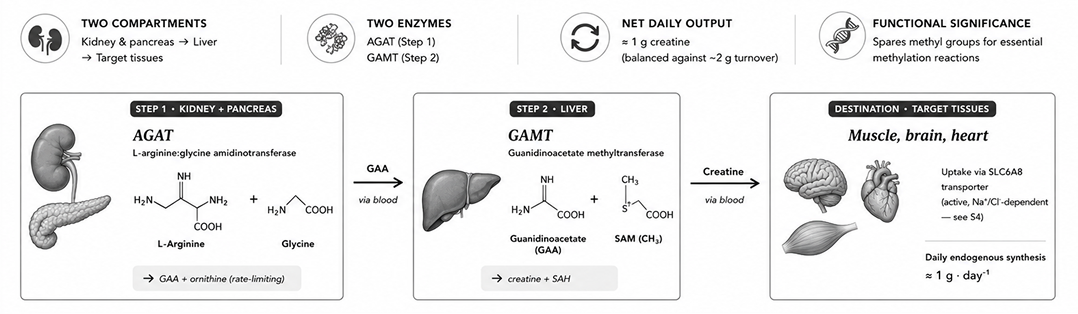
FIGURE 2 The endogenous creatine biosynthesis pathway.
A two-step inter-organ pathway: AGAT in the kidney produces guanidinoacetic acid (GAA), which is methylated by GAMT in the liver to yield creatine. Daily endogenous output is approximately 1 g.
The endogenous creatine biosynthesis pathway
Fig. 2. The two-step endogenous pathway. AGAT in renal cortex and pancreas (Step 1) is the regulatory step and is subject to feedback inhibition by intracellular creatine. GAMT in liver (Step 2) consumes a methyl group from S-adenosylmethionine, generating S-adenosylhomocysteine as by-product. The amino-acid budget bar shows the proportion of typical adult dietary intake consumed by 1 g of de novo creatine synthesis. Source: Brosnan & Brosnan 3; da Silva et al. 4; Brosnan et al. 5.
Enlarged endogenous pathway figure
Section 3 — The Phosphocreatine System

Bioenergetic role of phosphocreatine and the creatine kinase reaction

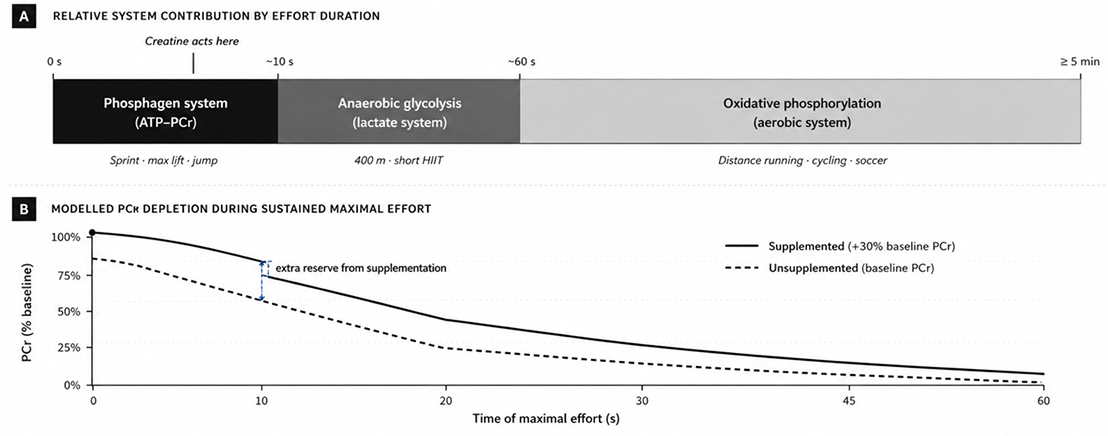
Adenosine triphosphate (ATP) is the proximate energy currency of muscle contraction, yet skeletal muscle stores sufficient ATP for only approximately two seconds of maximal effort. Three sequential bioenergetic systems sustain longer activity: the phosphagen (ATP-phosphocreatine) system, anaerobic glycolysis, and oxidative phosphorylation. These systems overlap continuously rather than switching discretely; their relative contribution depends on the duration and intensity of work.

The creatine kinase reaction

Creatine kinase (CK; EC 2.7.3.2) catalyses a single readily reversible reaction that runs near equilibrium in cytoplasm and mitochondria:

Phosphocreatine + ADP  ⇌  Creatine + ATP (1)

Because the reaction operates near equilibrium and CK has exceptionally high catalytic activity, ATP can be regenerated within milliseconds of being hydrolysed during muscle contraction. During recovery, ATP produced by oxidative phosphorylation runs the reaction in reverse to rephosphorylate creatine.

A widely accepted refinement of this model — the phosphocreatine shuttle hypothesis — proposes that phosphocreatine, not ATP, is the principal carrier of high-energy phosphate through cytoplasm. PCr is smaller, electrically neutral, and diffuses faster than ATP, allowing efficient energy transfer from mitochondrial CK isoforms to the myofibrillar CK pool adjacent to the contractile apparatus [6].

Effect of supplementation on PCr stores

Oral creatine supplementation at 20 g/day for 5–7 days, or 3–5 g/day for 3–4 weeks, increases muscle total creatine and phosphocreatine content by approximately 15–40% above baseline in most individuals [1,8,9]. Magnitude of response correlates inversely with baseline content: individuals with low baseline (vegetarians; older adults) gain more, and individuals already at or near saturation (~150 mmol/kg dry muscle) gain little.

The functional consequence of elevated PCr stores is a delayed onset of the phosphagen-system-limited fatigue, observable as more repetitions tolerated at submaximal loads, greater work output across repeated sprints, and a higher anaerobic-work ceiling before glycolytic and oxidative systems must contribute. Section 7 presents the pooled meta-analytic evidence on these outcomes.

Figure 3 Bioenergetic systems by duration of effort, and the effect of creatine supplementation on PCr depletion kinetics.
(a) Relative contribution of the three bioenergetic systems across exercise duration.
(b) Modelled PCr depletion during sustained maximal effort, with and without prior creatine supplementation.
Bioenergetic systems and PCr depletion kinetics
Fig. 3. Panel a: schematic of relative bioenergetic system contributions. Boundaries are nominal; systems overlap continuously. Panel b: schematic depletion curves derived from 31P-MRS and biopsy data in the published literature. The supplemented condition has an elevated starting point (~+30%) and reaches the fatigue floor later, permitting more work before phosphagen-system failure. Curves are illustrative; in real datasets the offset varies by individual baseline. Source: Wallimann et al. 12; Hultman et al. 8; Harris et al. 9.

"Phosphocreatine functions not only as an immediate ATP-regenerating buffer, but also as the principal molecular vehicle by which high-energy phosphate is transferred from mitochondrial sites of production to the myofibrillar sites of consumption."

— Wallimann, Wyss, Brdiczka, Nicolay & Eppenberger, Biochemical Journal, 1992

Enlarged bioenergetic kinetics figure
`
Section 4 — Pharmacokinetics and the SLC6A8 Transporter

Stages of disposition: dissolution, absorption, distribution, and tissue uptake

Orally administered creatine traverses four sequential disposition stages, each with its own kinetic determinants. Conflation of these stages — particularly equating dissolution speed with muscle uptake — underlies much of the marketing differentiation among commercial creatine forms [13,14].

Dissolution occurs in gastric and intestinal fluid; it is faster with smaller particles, warmer temperatures, and active stirring. At typical doses (3–5 g in 250 mL water), standard-grade monohydrate dissolves within approximately two minutes; micronized grades within approximately one to two minutes. Intestinal absorption is essentially complete: stable-isotope studies indicate that approximately 99% of an oral creatine dose enters the bloodstream, with the small remainder accounting for unabsorbed compound passing into the colon [14].

Plasma concentrations peak at approximately 1–2 hours post-ingestion, with an elimination half-life of approximately three hours via renal clearance. The decisive stage is the fourth: transit from plasma into target tissue via the SLC6A8 creatine transporter (also termed CreaT or CrT1).

SLC6A8: a saturable active transporter

SLC6A8 is a member of the SLC6 sodium- and chloride-dependent neurotransmitter transporter family. It moves creatine against its concentration gradient at a stoichiometry of 2 Na+ : 1 Cl- : 1 creatine.

Expression is highest in skeletal muscle and heart, with substantial expression also in brain, kidney, colon, and testes [14,15].

Three features of this transporter govern the pharmacokinetics of supplementation:

First, SLC6A8 is saturable. Above its Vmax, additional plasma creatine cannot be translocated faster; the excess is filtered by the glomerulus and excreted in urine. This ceiling explains why doses substantially exceeding 5 g/day produce diminishing returns and why isotope studies show absolute oral bioavailability falling from ~53% at low dose to ~16% at high dose [14].

Second, SLC6A8 activity is upregulated by insulin via the SGK1/PIKfyve signalling axis, which increases membrane trafficking of the transporter. Co-ingestion of creatine with approximately 50–100 g of carbohydrate has been shown to increase muscle accretion by ~60% relative to creatine alone — a finding originally demonstrated by Green et al. using direct muscle biopsy [17,21].

Third, SLC6A8 is the only physiological entry route into skeletal muscle and brain cells for creatine. Knockout studies in mice confirm that, in its absence, muscle creatine content falls to ~18% of wild-type values despite the presence of biosynthetic enzymes [18]. Loss-of-function variants in humans cause SLC6A8 deficiency, a form of cerebral creatine deficiency that is largely unresponsive to oral creatine therapy.
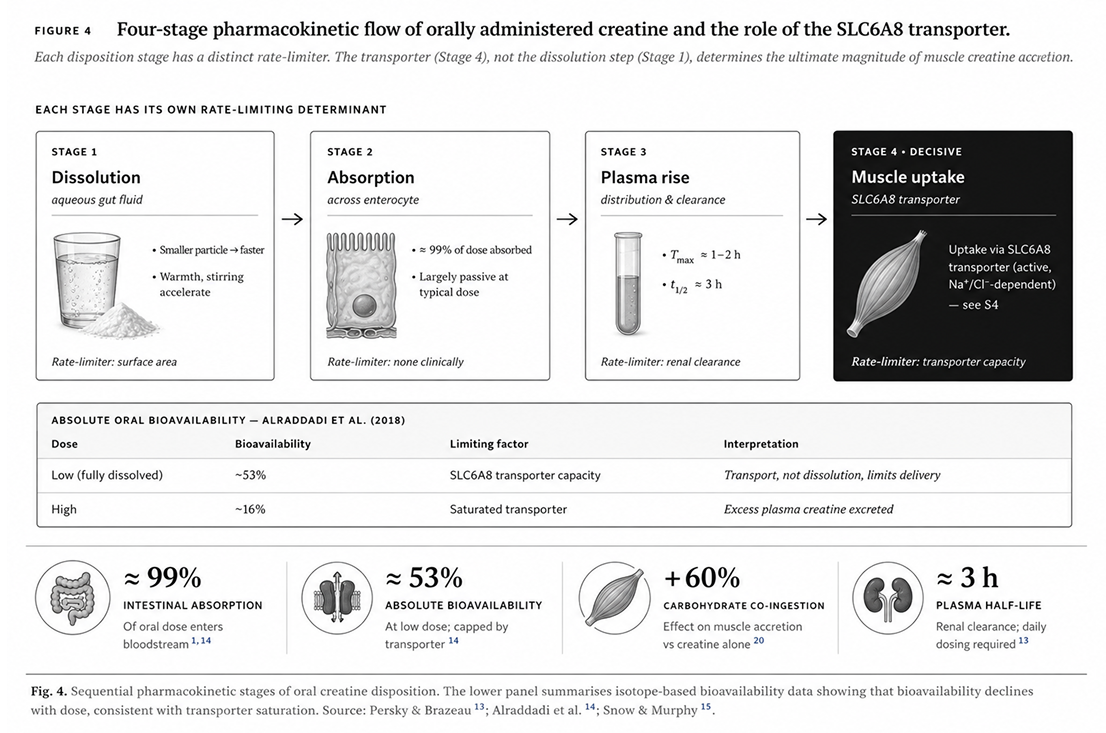
Figure 4: Four-stage pharmacokinetic flow of orally administered creatine

The practical implication of transporter-limited uptake is that further increases in dissolution speed — through micronization, chemical salt forms, or co-formulation with surfactants — produce no additional muscle creatine accretion once the small dose is fully dissolved. This argument is examined in Section 5, where head-to-head trials of alternative commercial forms are evaluated against this mechanistic prediction.

Enlarged pharmacokinetics flow figure
Section 5 — Commercial Forms

Comparative evaluation of creatine forms in head-to-head trials

Following the commercial success of creatine monohydrate (CrM), supplement manufacturers introduced multiple alternative forms — esters, salts, chelates, and pH-buffered formulations — accompanied by claims of superior absorption, smaller required doses, reduced water retention, or improved gastrointestinal tolerance. Most such claims have been evaluated in randomized controlled trials and three successive position papers (Jäger et al. 2011, Kreider et al. 2017, Antonio et al. 2021).

Across these evaluations, no alternative form has shown superior performance outcomes to monohydrate in head-to-head trials, and several have been shown to be inferior.

Table 1 summarises the current state of the evidence for the nine commercial forms most frequently encountered. Evidence-strength designations reflect the volume and quality of head-to-head comparisons available; "limited" indicates that human RCT data are insufficient to draw conclusions, not that the form is necessarily ineffective.
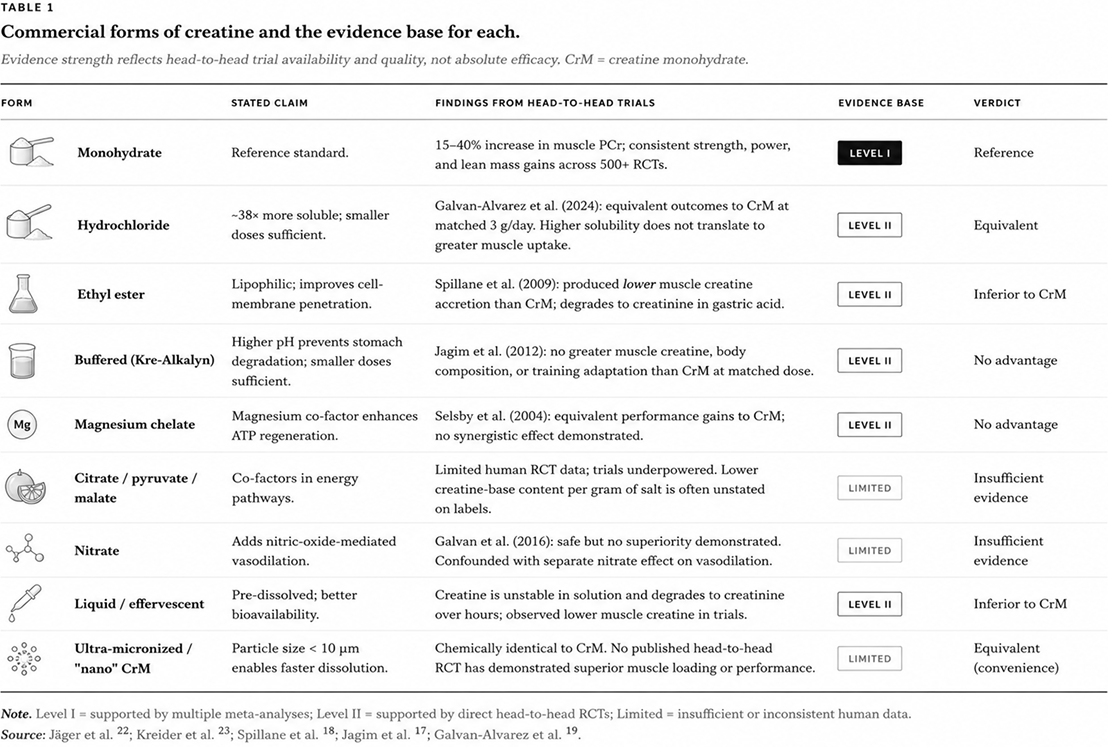
Table 1: Commercial forms of creatine and the evidence base for each.

Two of these forms warrant individual attention because of their popularity or the persistence of marketing claims relative to the published evidence.

Creatine ethyl ester (CEE) was introduced on the rationale that esterification would improve lipophilicity and therefore membrane penetration. The Spillane et al. (2009) double-blind RCT in 30 resistance-trained men directly tested this hypothesis: participants received CEE, CrM, or placebo for 47 days alongside structured resistance training. The CEE group exhibited lower serum creatine and lower intramuscular creatine accretion than the CrM group, alongside markedly elevated serum creatinine consistent with rapid degradation of CEE to creatinine in the gastrointestinal tract [17]. This finding has not been overturned in subsequent trials.

Creatine hydrochloride (Cr-HCl) has more nuanced evidence. Its solubility advantage is real — laboratory measurements indicate solubility approximately 38-fold higher than monohydrate — but the 2024 trial by Galvan-Alvarez et al. in elite handball and softball players compared low-dose CrM (3 g/day) with low-dose Cr-HCl (3 g/day) and found equivalent improvements in neuromuscular performance and strength, with the conclusion that "claims of Cr-HCl superiority are unfounded and misleading" [19]. The mechanism-derived prediction — that solubility differences do not propagate to muscle uptake once dose is fully dissolved — was confirmed.

Enlarged comparative creatine forms table
Section 6 — Production and Particle Size

Manufacturing route and the science of particle-size spectrum

~100%
Oral bioavailability
Standard CM absorbed at 95–100% under conventional dosing; dissolution grade does not raise total absorbed creatine14,59
13 g/L
Thermodynamic solubility
Fixed ceiling at 25 °C regardless of particle size — only chemical modification (e.g. creatine HCl) genuinely shifts this59
CrT1
True rate-limiting step
SLC6A8 transporter density in skeletal muscle governs tissue saturation — not dissolution rate, not particle size15,59
0
RCTs showing superiority
No head-to-head trial demonstrates higher muscle creatine saturation or ergogenic advantage for nano/ultra-fine vs. standard CM at equal doses59

6.1 Raw materials and core chemistry

The dominant industrial production route for creatine monohydrate has remained essentially unchanged for three decades. Sarcosine (N-methylglycine) and cyanamide (H₂N-C≡N) react in aqueous solution via nucleophilic addition at 90–100 °C, pH 7–9, for 2–6 hours. Sarcosine supplies the methylated nitrogen backbone; cyanamide donates the guanidino group. Purified deionised water is used throughout. Impurity controls target dicyandiamide (DCD ≤50 ppm), residual cyanamide, and heavy metals.59,60

The critical process-related impurities are DCD — an unreacted precursor arising from incomplete cyanamide dimerization — and dihydrotriazine (DHT), a cyclization by-product formed preferentially at elevated temperature or alkaline pH during crystallization. Standard industrial processes yield DCD at 30–80 ppm; an integrated ultra-fine process achieves ≤15 ppm without additional downstream purification by maintaining near-neutral pH (7.0–7.5) and a stoichiometric excess of sarcosinate (1.05–1.10 mol equiv.), which drives cyanamide to near-complete consumption. DHT is held below 1 ppm by controlling crystallization temperature below 85 °C.59,60

Sodium Sarcosinate  +  Cyanamide  →  Creatine  +  NaCl

6.2 Step-by-step manufacturing process

Table 2 summarises the ten-stage production sequence from precursor preparation through quality-control release. Critical control parameters at each stage determine both purity and particle characteristics of the final product. The Creapure® benchmark — ≥99.99% assay, DCD <10 ppm, DHT not detected, heavy metals <5 ppm — represents the highest publicly documented purity standard for commercial creatine monohydrate.59

Table 2: Step-by-step manufacturing process for creatine monohydrate.
Enlarged manufacturing process table

6.3 Particle size progression — standard to nano

Primary milling yields standard CrM. Further processing reduces particle diameter through distinct technology tiers, each with specific production methods, advantages, and practical limitations. The dissolution-rate difference across grades is real and reproducible. A 5 g serving in 250 mL of unstirred water at 25 °C dissolves to 95% completion in approximately 288 seconds (4.8 min) for standard grade, 142 seconds for micronized, and 38 seconds for ultra-fine — an eight-fold range. Reducing particle size from ~180 µm to ~6 µm increases the geometric surface-area-to-volume ratio approximately 30-fold, driving this difference in accordance with the Noyes–Whitney equation.59,60

Ultra-fine production requires air-jet milling under nitrogen purge at ≤30% relative humidity to prevent moisture-induced agglomeration; the milling zone is held below 45 °C, above which the monohydrate converts to the anhydrous form. Nano-grade material (<1 µm) can be produced by wet nanomilling, antisolvent precipitation, or amorphous co-grinding, but carries the highest physical instability — requiring polymer stabilisers and presenting Ostwald ripening risk in aqueous suspension. No published RCT has demonstrated superior muscle creatine tissue saturation for nano-grade vs. standard CrM at equivalent doses.59
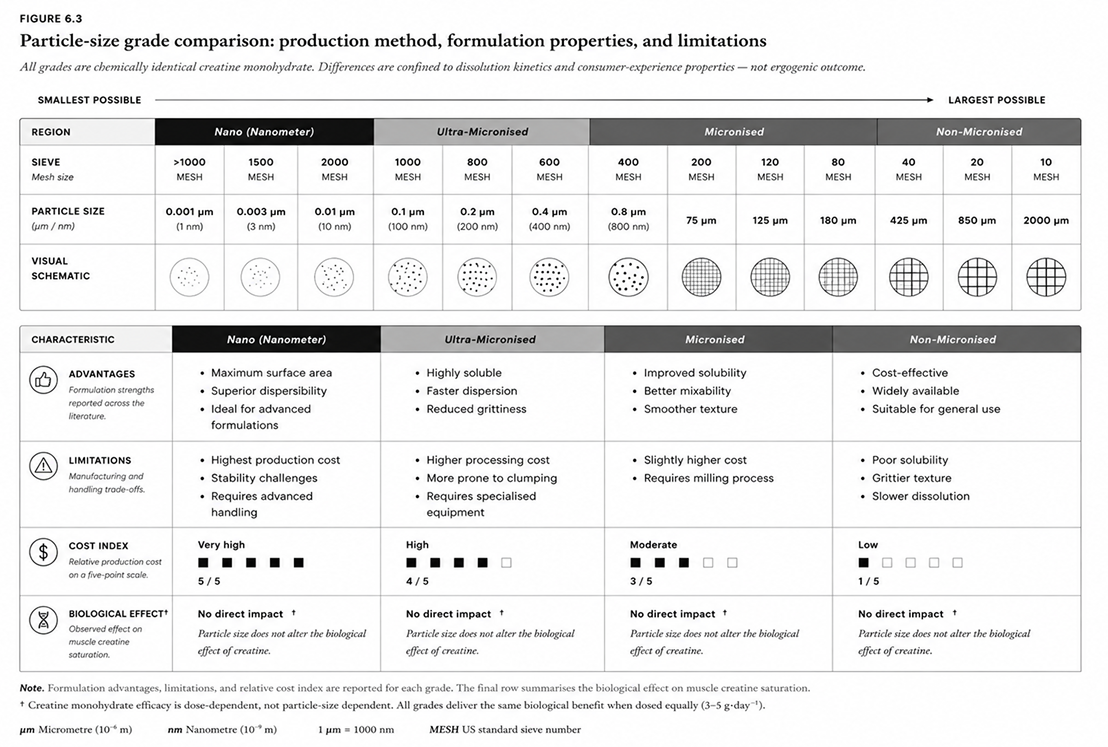
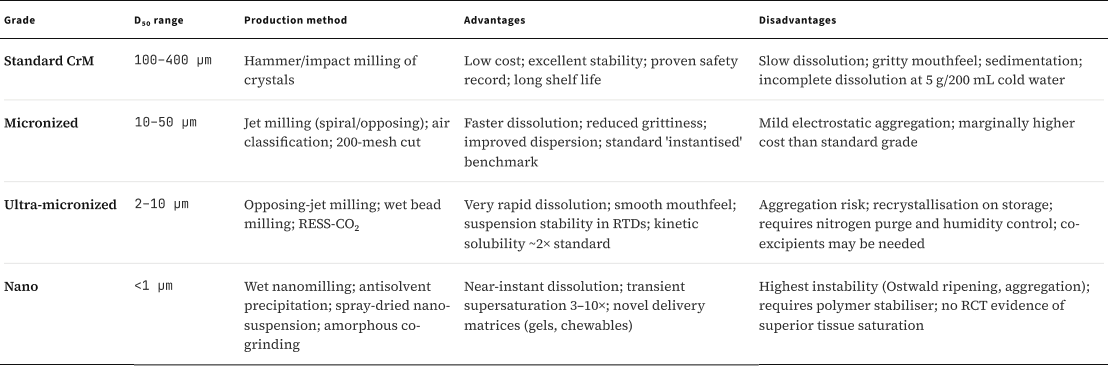
Figure 6.3: Particle-size grade comparison: production method, formulation properties, and limitations.
Enlarged particle size comparison figure
Primary milling yields standard CM. Further processing reduces particle diameter through distinct technology tiers [59].
Table 3 Particle size grade progression: production method, advantages, and limitations.
RESS-CO2 note: supercritical CO2 at 14–22 MPa / 39–60 °C dissolves CrM; rapid depressurisation causes instantaneous nucleation. Mean size reduced from ~44.7 µm to 0.4–9.1 µm. SEM confirms needle → sphere morphology; XRD shows reduced crystallinity.59
Table 3 Grid: Particle size grade progression.
Enlarged particle size grade progression table

6.4 The pharmacokinetic cascade: particle size → tissue creatine
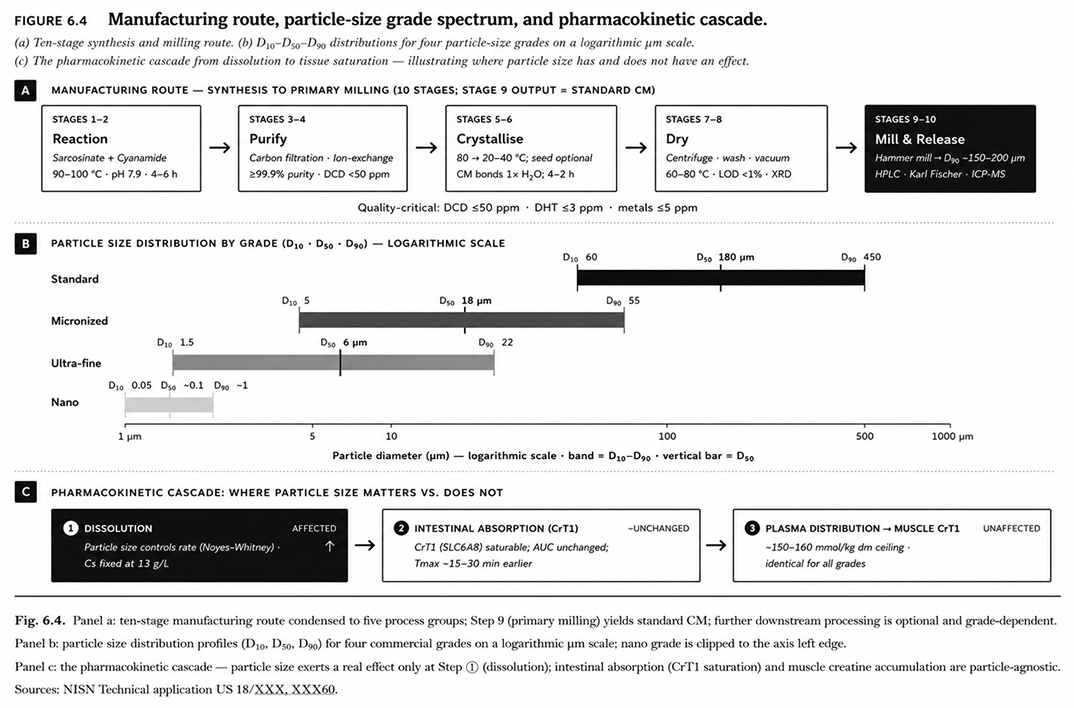
Understanding where particle size does — and does not — influence outcomes requires separating four sequential pharmacokinetic stages: solubility, dissolution rate, intestinal absorption, and tissue uptake.
Figure 6.4: Manufacturing route, particle-size grade spectrum, and pharmacokinetic cascade.
Enlarged pharmacokinetic cascade figure

6.4.1 Solubility — Thermodynamic Ceiling

Creatine monohydrate solubility in water at 25 °C: ~13 g/L (0.013 g/mL). A standard 5 g dose requires ~385 mL to dissolve completely at room temperature.1 Solubility is a fixed thermodynamic property — particle-size reduction does NOT change it. Chemical modification (e.g., creatine HCl: ~679 mg/mL ≈ 52× higher) requires altering the molecule, formally yielding a new chemical entity.59

Apparent (kinetic) solubility: Amorphous and nano-grade CM can produce transient supersaturation above Cs through elevated surface free energy (Ostwald–Freundlich effect) or disordered lattice energy.59,69 Patents report 3–10× kinetic solubility enhancement, but these states are metastable and revert to the thermodynamic limit at equilibrium.69,70

6.4.2 Dissolution — The Kinetic Variable Particle Size Controls

Dissolution rate is the primary — and essentially only — pharmacokinetic variable responsive to particle size. As described by the Noyes–Whitney equation (dM/dt = D·A·Cs/h × (Cs − Ct)), reducing particle diameter by 10× increases specific surface area by ~10×, proportionally accelerating dissolution rate. This is the primary — and essentially only — pharmacokinetic variable responsive to particle size.59,72
6.4.1 Solubility — Thermodynamic Ceiling

Creatine monohydrate solubility in water at 25 °C: ~13 g/L (0.013 g/mL). A standard 5 g dose requires ~385 mL to dissolve completely at room temperature.1 Solubility is a fixed thermodynamic property — particle-size reduction does NOT change it. Chemical modification (e.g., creatine HCl: ~679 mg/mL ≈ 52× higher) requires altering the molecule, formally yielding a new chemical entity.59

Apparent (kinetic) solubility: Amorphous and nano-grade CM can produce transient supersaturation above Cs through elevated surface free energy (Ostwald–Freundlich effect) or disordered lattice energy.59,69 Patents report 3–10× kinetic solubility enhancement, but these states are metastable and revert to the thermodynamic limit at equilibrium.69,70

6.4.2 Dissolution — The Kinetic Variable Particle Size Controls

Dissolution rate is the primary — and essentially only — pharmacokinetic variable responsive to particle size. As described by the Noyes–Whitney equation (dM/dt = D·A·Cs/h × (Cs − Ct)), reducing particle diameter by 10× increases specific surface area by ~10×, proportionally accelerating dissolution rate. This is the primary — and essentially only — pharmacokinetic variable responsive to particle size.59,72
Parameteres Meaning Effect of Smaller Particles
Solubility (Cs) Maximum equilibrium dissolved concentration (~13 g/L).[59] UNCHANGED — fixed thermodynamic property.[59]
Dissolution Rate (dM/dt) Speed of solid → dissolved conversion.[72] STRONGLY improved (∝ surface area per Noyes-Whitney).[59,72]
Apparent Solubility Transient supersaturation above Cs (amorphous/nano forms).[59,69] TEMPORARILY elevated; reverts to Cs at equilibrium.[59,69]
Time to Full Dissolution Practical formulation performance metric.[59] Substantially reduced: standard > micronised > ultra-fine.[59,67,68]

6.4.3 Absorption — Intestinal Uptake

Mechanism: Creatine is absorbed in the jejunum via CrT1 (SLC6A8) — a sodium- and chloride-coupled active transporter with Michaelis-Menten saturation kinetics (Km ~15–30 µM). A minor passive paracellular route exists at high luminal concentrations.71,73

Critical implication: CrT1 is saturable. Once luminal creatine concentration saturates the transporter — readily achieved with standard CM at supplemental doses — faster dissolution from finer particles does not increase total absorbed creatine. It may produce a modestly earlier Cmax but does not change AUC.71,74

6.4.4 Bioavailability — Total Absorbed Fraction

Oral bioavailability (F) for standard CM under conventional dosing: ~95–100%.71,74

Contributing factors:

  • Reasonable GI acid stability (~1% conversion to creatinine per hour at pH 3.7).59
  • No significant hepatic first-pass metabolism (not a CYP substrate).71
  • High CrT1 expression in small intestinal epithelium.73
  • Co-ingestion of carbohydrates (insulin response) may enhance muscular retention, not intestinal F.59,71

Multiple PK studies show no meaningful difference in plasma AUC between micronised and standard CM at equivalent doses.71,74

6.4.5 Tissue / Muscle Creatine Concentration — The Physiological Endpoint

PK/PD Parameter Standard CM Micronised / Ultra-Fine CM
Dissolution rate
(in vitro)
Moderate; incomplete at 5 g/200 mL cold water.[59] Faster; approaches complete dissolution at physiological volumes.[59,67,68]
Tmax
(peak plasma Cr)
~1.0–1.5 hours.[74] ~0.75–1.0 hours (modestly earlier).[74]
Oral bioavailability (F) ~95–100%.[71,74] ~95–100% — no meaningful difference.[71,74]
Plasma AUC
(equal dose)
Reference.[74] Equivalent — no statistically significant difference.[71,74]
Muscle creatine
saturation
~150–160 mmol/kg dry muscle at saturation.[71,74] Same ceiling — not exceeded by any particle-size strategy.[59,71]
Ergogenic outcome Well-established; gold-standard evidence base.[74] No clinically meaningful superiority demonstrated in RCTs.[59,71]

Real vs. unsupported benefits of finer particles

Claim Area Commonly Asserted What the Evidence Shows
Dissolution speed Finer particles dissolve faster and therefore improve bioavailability. Partially Correct — Dissolution is measurably and reproducibly faster (38 s vs. 288 s for ultra-fine vs. standard). However, faster dissolution does not increase total absorbed creatine because CrT1 is saturated by both grades at typical supplemental doses. Plasma AUC is equivalent at equal doses.59, 62
Total absorption Ultra-fine or nano CM produces greater total creatine absorption. Not Supported — Standard CM is already absorbed at ~95–100% under conventional dosing. Multiple pharmacokinetic studies show no meaningful difference in plasma AUC between micronized and standard CM at equivalent doses, consistent with near-complete intestinal absorption in both cases.
Muscle saturation Finer particles raise the muscle creatine saturation ceiling. Not Supported — The ~150–160 mmol/kg dry muscle saturation ceiling is set by CrT1 transporter density in skeletal muscle — not by dissolution rate or particle size. No RCT demonstrates higher tissue creatine accumulation for any particle-size grade vs. standard CM at equivalent creatine doses.
Ergogenic superiority Nano or ultra-fine CM produces superior strength, power, or hypertrophy outcomes. Not Supported — No head-to-head RCT demonstrates clinically meaningful superiority for any particle-size variant over standard CM at matched creatine-base doses for strength, power, or body composition outcomes. Outcomes converge because the tissue saturation ceiling is identical.61
Formulation benefit Finer grades mix more easily, reduce grit, and improve product stability. Supported — Finer particles genuinely improve: in-glass dissolution and user experience, reduced sediment and gritty residue, smoother mouthfeel and palatability, suspension stability in RTD formats, a modestly earlier Tmax (~15–30 min), and formulation flexibility for gels, effervescents, and chewables. These are real, documented advantages — in the domain of formulation science, not ergogenic pharmacology.

6.5 Why Physiological Outcomes Converge Beyond the Dissolution Threshold

6.5.1 The Downstream Biological Sequence is Particle-Agnostic

Once dissolved and absorbed, every creatine molecule follows an identical biological pathway regardless of the particle diameter from which it originated:

Dissolved Cr → Intestinal CrT1 → Plasma → Muscle CrT1 → Free Cr pool → PCr synthesis (creatine kinase) → ATP buffer

Phosphocreatine synthesis, ATP regeneration, and ergogenic outcome are identical regardless of formulation grade.59,71,74

6.5.2 The True Bottleneck: CrT1 at the Muscle Membrane

The dominant biological constraint for tissue creatine accumulation is CrT1 transporter density and kinetics in skeletal muscle — not dissolution, not absorption rate, and not particle size. This transporter gate saturates well within plasma creatine concentrations achieved by standard CM supplementation protocols. No particle-size strategy targets, alters, or upregulates CrT1 expression. Modulating factors — insulin signalling via carbohydrate co-ingestion, exercise-induced CrT1 upregulation — are formulation-independent.1,14,16,17

6.5.3 Evidence: Real vs. Unsupported Benefits of Finer Particles

REAL BENEFITS (FORMULATION / CONSUMER EXPERIENCE) NOT SUPPORTED BY CLINICAL EVIDENCE
  • Faster in-glass dissolution → better user experience.[59]
  • Reduced sediment and gritty residue in vessel.[59]
  • Smoother mouthfeel; improved palatability.[59,67]
  • Better suspension stability in RTD formats.[59]
  • Modestly earlier Tmax (~15-30 min sooner).[17]
  • Greater formulation flexibility (gels, effervescent, chewables).[59]
  • Greater total creatine absorption at equivalent doses.[59,71]
  • Higher plasma AUC vs. well-dissolved standard CM.[71,74]
  • Elevated muscle creatine saturation ceiling.[59,71]
  • Superior strength, power, or hypertrophy outcomes.[59,71,74]
  • Need for lower dosing due to 'enhanced bioavailability'.[59,71]
  • Meaningfully different ergogenic effect in head-to-head RCTs.[59,71,74]

6.6. Advanced Formulation Technologies & Scientific Position Summary

6.6.1 Beyond Milling — Key Technologies

TECHNOLOGY MECHANISM BENEFIT LIMITATION
Granulation Agglomeration of micronised CM with maltodextrin/PVP binders (AlzChem patent: 0.1–30% maltodextrin).[59,75] Stabilises particles; improves flowability; reduces aggregation and dust.[59,75] Does not increase thermodynamic solubility.[59]
Amorphisation Lattice energy removal by mechanochemical milling or spray-drying; co-amorphous CM-citric acid (Runchevski et al.).[59,70] 3–10× kinetic solubility increase; transient supersaturation.[59,69,70] Thermodynamically unstable; recrystallises — requires polymer matrix stabilisation.[59]
Solid Dispersions CM embedded in hydrophilic polymer (PEG, HPMC, whey protein matrix via spray-drying — Neiss patent).[59,76] Prevents crystal growth; faster wetting; improved apparent solubility.[59,76] Hygroscopic; complex manufacturing; limited shelf-life data.[59]
Chemical Modification Ionic forms (creatine HCl, pyruvate, malate, citrate) with genuinely higher Cs.[59] Creatine HCl ~679 mg/mL vs. ~13 mg/mL for CM (~52× higher).[59] New chemical entities; limited independent RCT bioequivalence vs. CM at creatine-equivalent doses.[59,71]

6.6.2 Scientific Position — Five Key Conclusions

PRINCIPLE EVIDENCE-BASED CONCLUSION
High baseline oral bioavailability Standard CM is absorbed at ~95–100% under conventional dosing; formulation improvements in dissolution do not meaningfully raise total absorbed creatine.[71,74]
Particle size controls kinetics, not mechanism Smaller particles → faster dissolution only; the post-absorption sequence (plasma → CrT1 → PCr → ATP) is identical for all grades.[59,71,73]
No superior muscle saturation with nano/ultra-fine CM No RCT demonstrates higher tissue creatine accumulation, PCr resynthesis rates, or ergogenic outcomes for ultra-micronised vs. standard CM at equivalent doses.[59,71,74]
Diminishing physiological returns beyond threshold Benefits beyond the functional dissolution threshold are formulation/consumer-experience advantages — not ergogenic advantages.[59,71]
True bottleneck: CrT1 transporter Tissue creatine saturation is governed by CrT1 density in muscle (~150–160 mmol/kg dm ceiling). The ceiling is the same for all CM grades.[71,73,74]
SECTION 7 — PERFORMANCE AND STRENGTH: ERGOGENIC OUTCOMES

Pooled meta-analytic evidence on strength, power, and body composition

The ergogenic literature on creatine monohydrate is among the most extensive of any nutritional supplement. The 2017 ISSN position stand cited more than 200 randomized trials; the 2024 Pashayee-Khamene meta-analysis pooled 143 studies in 3,655 participants; the 2025 Forbes et al. meta-analysis specifically targeting strength and power outcomes added further evidence-based confirmation[1,11,26]. Effect magnitudes are consistent across populations, training programmes, and outcome measures.

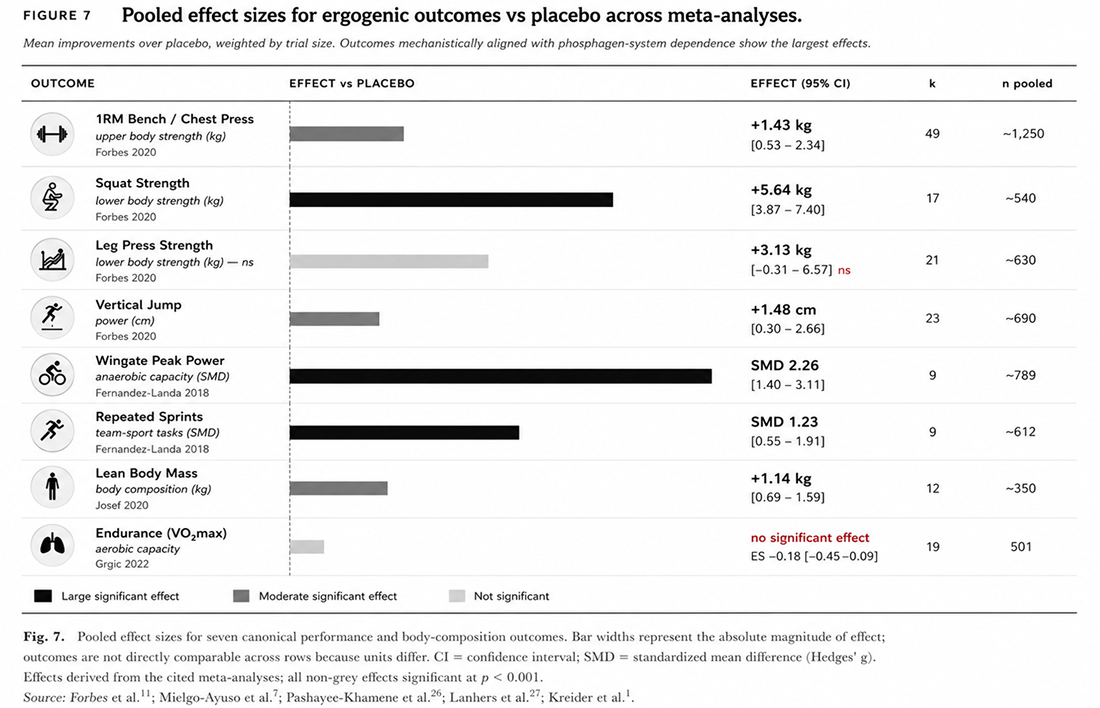
Figure 7 summarises pooled effect sizes across seven canonical performance and body-composition outcomes. Two patterns are immediately apparent. First, effects are largest for outcomes mechanistically linked to the phosphagen energy system — maximal-load strength and short-duration anaerobic power — and smallest, sometimes absent, for endurance metrics whose energy supply is dominated by oxidative metabolism. Second, lean body mass is meaningfully increased, with mean gains of approximately 1.1 kg above placebo across pooled trials.

FIGURE 7: Pooled effect sizes for ergogenic outcomes vs placebo across meta-analyses.
Enlarged ergogenic outcomes chart

7.2 Patterns across the evidence base

Anaerobic exercise responds most strongly. The largest effect size in the literature — the Wingate test SMD of 2.26 in soccer players7 — corresponds to a 30-second all-out cycling effort during which the phosphagen system is heavily recruited. This is precisely what mechanism would predict.

Endurance exercise shows minimal benefit. Pooled effects on VO2max, lactate threshold, and time-to-exhaustion are non-significant[28]. The one consistent exception is improvement in end-of-event sprints during otherwise aerobic competition, where the phosphagen system is briefly re-recruited.

Both sexes respond. Earlier work focused predominantly on male participants, with sporadic reports of attenuated female response. The 2025 Smith-Ryan et al. narrative review of female-specific physiology concluded that women demonstrate performance benefits comparable to men once methodological inconsistencies (menstrual-cycle phase, contraceptive status, dosing per body mass) are controlled [29].

Resistance training is not strictly required. A 2026 systematic review and meta-analysis (Frontiers in Nutrition) found that creatine supplementation enhances anaerobic power even in non-resistance-trained populations, though gains in strength and lean mass are substantially larger when paired with a progressive resistance stimulus [30].

Methodological note
Interpretation of effect-size magnitudes

Standardized mean differences (SMD) are unitless and are interpretable using Cohen's conventions: SMD ~0.2 = small effect; ~0.5 = moderate; ~0.8 = large. The Wingate SMD of 2.26 reported by Mielgo-Ayuso et al. is therefore in the "very large" range, but should be interpreted in the context of the moderate heterogeneity reported in that meta-analysis (I2 = 78%) and the relatively small number of pooled studies (k = 6 for the Wingate sub-analysis). Absolute-unit effects (kg, cm) carry less methodological ambiguity but are restricted to outcomes measured in those units.

SECTION 8 — NEUROLOGICAL EFFECTS, AGING, AND FEMALE-SPECIFIC PHYSIOLOGY

Beyond muscle: brain, cognition, sarcopenia, and the evidence across the lifespan

+2.4 kg
Lean mass in older adults

Creatine + resistance training vs. training alone, pooled meta-analyses in adults ≥50 y38,41.

II
Cognitive evidence level

Consistent signal under metabolic stress; contested in unstressed adults due to meta-analytic errors31,37.

70–80%
Female CK activity vs. males

Lower baseline creatine kinase activity implies proportionally larger supplementation response in women29.

3
Gaps warranting caution

Pregnancy · perimenopause · paediatric TBI — evidence preliminary or preclinical in each33,44.

8.1 Neurological effects: cognition, mood, and brain injury

Brain creatine, while only approximately 2% of the total body pool, is mechanistically critical to neuronal energy buffering; synaptic transmission, action-potential propagation, and ion-gradient maintenance all involve rapid ATP transients that the creatine kinase reaction buffers[1,35]. Brain creatine is regulated semi-independently of muscle creatine, and uptake across the blood-brain barrier is slow — a fact that complicates interpretation of short-duration trials and implies that neurological effects may require longer supplementation windows or higher doses than those established for muscle.

The neurological evidence divides into three distinct domains with markedly different quality.

Cognition under metabolic stress. The most consistent neurological signal involves cognition under conditions where brain energy demand exceeds normal supply. Participants with hypoxic conditions, and vegetarians (with lower baseline brain creatine) consistently report improvements in working memory, processing speed, and corticomotor excitability [35,36]. Turner, Byblow & Gant (2015) in Journal of Neuroscience demonstrated improved cognitive performance and corticomotor excitability during induced oxygen deprivation, rapidly reversed on resumption of normoxia35. Effects are consistently strongest in vegetarians, and older adults — all populations with lower baseline brain creatine reserves.

Cognition in unstressed adults. The picture is less clear in well-rested, cognitively typical adults. The 2024 Xu et al. meta-analysis of 16 RCTs (n = 492) reported positive overall effects on memory and processing speed31. However, the European Food Safety Authority (2024) and a 2026 commentary in Frontiers in Nutrition identified a unit-of-analysis error: multiple correlated outcomes from the same participants were treated as independent effect sizes, inflating apparent sample sizes and effect estimates[37]. A reanalysis using multilevel models has not yet been published. The most defensible current position is that effects in unstressed adults are real but smaller than initial meta-analytic reports suggested, and dose and duration thresholds remain undefined.

Mood and traumatic brain injury. Zanini et al. (2025) in a cross-sectional analysis of 5,257 participants from the Korean National Health and Nutrition Examination Survey reported a dose-response relationship between dietary creatine intake and depression scores, with depression prevalence approximately twice as high in the lowest creatine-intake quartile32. The cross-sectional design precludes causal inference, but the signal is consistent with small RCTs evaluating creatine as an adjunct to SSRIs in major depressive disorder, where effects appear more pronounced in women. For traumatic brain injury, the evidence rests on a single open-label paediatric trial (Sakellaris et al., 2006) that reported reduced duration of post-traumatic amnesia, ICU stay, and symptom burden33. The 2025 scoping review by Riesberg et al. concluded evidence is "limited but consistent," and larger DoD-funded trials in contact-sport populations are currently underway[34].

Figure 8.1 Neurological evidence base by domain and current evidence level.

Evidence quality varies sharply by domain. The strongest signal is under metabolic stress; effects in unstressed adults are real but contested; mood and TBI applications are early-stage but mechanistically coherent.

Neurological Evidence by Domain
Domain 1 · Cognition Under Stress
Hypoxia, demanding cognitive tasks
Strongest in vegetarians, older adults, and sleep-deprived
Domain 2 · Depression & Mood
Dose-response signal in large cross-sectional cohort (n=5,257)
Small RCTs support adjunctive benefit to SSRIs, especially women
Domain 3 · Traumatic Brain Injury
Open-label paediatric trial; scoping review consistent
DoD-funded multi-site trials currently underway
Level designations: I = multiple meta-analyses; II = direct RCTs with moderate consistency; III = small or open-label trials with mechanistic rationale.

Fig. 8.1. Neurological evidence varies markedly by domain. The strongest signal is observed under metabolic stress; claims for unstressed adults have been challenged on unit-of-analysis grounds. Sources: Xu et al.31; Zanini et al.32; Sakellaris et al.33; Turner et al.35; EFSA37.

"Creatine supplementation enhances corticomotor excitability and cognitive performance during oxygen deprivation."

— Turner, Byblow & Gant, Journal of Neuroscience, 2015

8.2 Aging and sarcopenia: creatine as an adjunct to resistance training

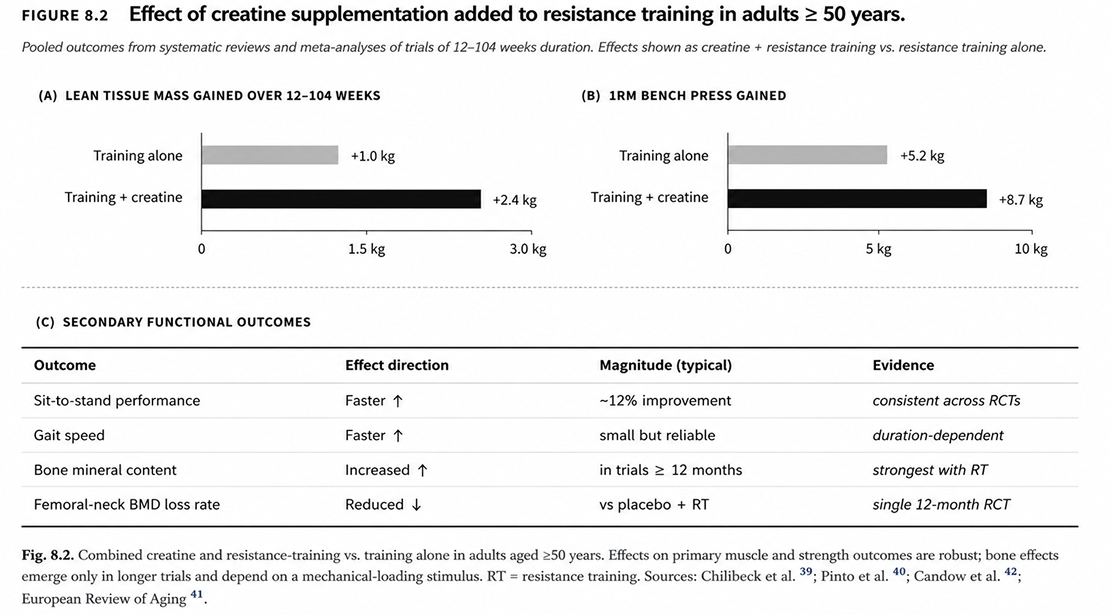
Sarcopenia — age-related loss of skeletal muscle mass and function — accelerates after the fifth decade, with declines of 1–2% per year in leg muscle mass and 1.5–5% per year in strength. The consequences include elevated fall incidence, fracture risk, and loss of functional independence; the WHO estimates that sarcopenia-related complications increase annual fall incidence by 40% among adults aged 65 years and older38,41. Resistance training is the cornerstone intervention; creatine supplementation added to resistance training approximately doubles the lean tissue and strength gains observed with training alone.

Across pooled meta-analyses in adults aged ≥50 years, supplementation adds approximately 1.2–1.4 kg of lean mass and a clinically meaningful increment in both upper- and lower-body strength beyond training-alone effects39,40,41. Functional outcomes — sit-to-stand time, gait speed — are

consistently improved. Bone outcomes require a longer treatment window; the Candow et al. 12-month RCT reported reduced femoral neck bone mineral density loss rate with combined creatine and resistance training42. The 2025 Machado review in Osteoporosis International concluded that evidence is currently insufficient to recommend creatine as a standalone intervention for osteoporosis, but the consistent additive effect with mechanical loading is acknowledged and the research agenda is active43.

A clinically important mechanistic observation is that the response to creatine supplementation is consistently larger in older adults than in younger ones for a given training stimulus. This is explained by lower baseline muscle creatine stores in older individuals — a consequence of reduced dietary intake and, possibly, age-related decline in endogenous synthesis — and by the larger headroom available for accretion. Vegetarians aged over 60 years represent the population most likely to show the largest absolute response.

FIGURE 8.2: Effect of creatine supplementation added to resistance training in adults >= 50 years.

8.3 Female-specific physiology: menstruation through menopause

The early creatine literature was conducted predominantly in male participants, with female participants frequently excluded or included without controlling for menstrual-cycle phase, hormonal contraceptive use, or menopausal status — each of which independently affects creatine kinase activity and brain creatine29,44. The 2025 narrative review by Smith-Ryan et al. in JISSN represents the most current synthesis of female-specific evidence. Women, on average, exhibit approximately 70–80% of male creatine kinase activity and lower brain creatine concentrations, with measurably lower endogenous synthesis per kilogram of body mass29. These baseline differences imply that dietary and supplemental creatine may produce proportionally larger physiological effects in women than in men — a hypothesis supported but not yet definitively confirmed by adequately powered trials.

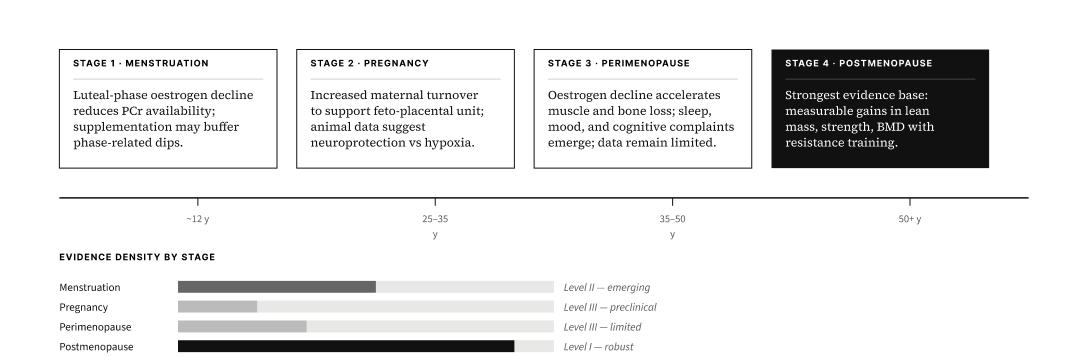
The evidence base divides cleanly by reproductive life stage. During the menstrual cycle, luteal-phase oestrogen decline reduces phosphocreatine availability; supplementation may buffer performance

and cognitive dips that correlate with this phase, though trial data are limited to small, exploratory studies. In pregnancy, creatine turnover increases substantially to support the feto-placental unit, and animal models demonstrate neuroprotective effects of maternal creatine supplementation against intrapartum hypoxia; human RCT data do not yet exist and routine supplementation in pregnancy is not recommended outside clinical trial settings44. In perimenopause, the oestrogen decline that accelerates muscle and bone loss also suppresses creatine kinase activity and brain creatine; sleep disturbance, mood changes, and cognitive complaints that characterize this phase are mechanistically consistent with a role for creatine, but formal RCT data remain scarce. The postmenopausal evidence base is the strongest: multiple RCTs and meta-analyses confirm clinically meaningful gains in lean mass, upper- and lower-body strength, and bone mineral density when creatine is combined with resistance training — an effect that overlaps substantially with the sarcopenia findings in Section 8.2 and is driven in large part by postmenopausal women in those trials.

FIGURE 8.3: Creatine in women's health by reproductive life stage and evidence quality.

Fig. 8.3. Reproductive life-stage timeline with evidence-quality assessment.

The postmenopausal evidence is robust and consistent with the broader sarcopenia literature (Section 8.2); the pregnancy evidence remains largely preclinical and routine supplementation in pregnancy is not currently recommended outside clinical settings. Sources: Smith-Ryan et al.29; Ellery et al.44.

Methodological caveat

Historical underrepresentation of female participants and context-specific populations

Cross-sectional analysis of the creatine RCT literature shows substantial underrepresentation of female participants in trials prior to 2010, and persistent absence of menstrual-cycle controls in trials that did include female participants. The Smith-Ryan et al. (2025) review emphasizes that effect-size estimates for female populations derived from older meta-analyses may understate the true response; trials with explicit cycle-phase, contraceptive-status, and menopausal-status controls are needed before female-specific dose-response relationships can be characterized with confidence.

The same structural gap applies to the neurological evidence: the majority of cognition RCTs used predominantly or exclusively male samples, and the TBI evidence rests on a single paediatric open-label trial. Population diversity across all three evidence domains in this section remains insufficient for subgroup recommendations.

Enlarged chart image
Section 9 — Dosing and Practical Protocol

Two protocols, identical endpoints, modest practical refinements

The dosing literature supports two equally effective protocols. The choice between them is one of practical preference rather than effectiveness, as both converge on the same muscle creatine saturation endpoint within approximately four weeks.

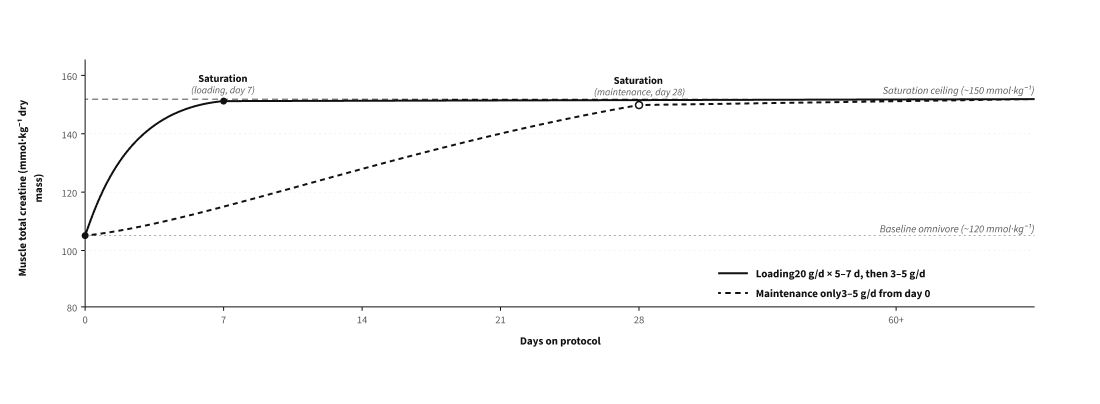
The loading protocol originally established by Harris et al. and Hultman et al. uses 20 g/day divided into four 5 g doses for 5–7 days, followed by 3–5 g/day for ongoing maintenance. The maintenance-only protocol uses 3–5 g/day from the first day, reaching saturation in approximately 3–4 weeks1,8,9. Both ultimately achieve muscle total creatine concentrations near the saturation ceiling (~150 mmol/kg dry muscle).

Figure 09 Modelled muscle creatine saturation under loading and maintenance protocols.

Both protocols approach the saturation ceiling; the loading protocol reaches it approximately three weeks faster.

FIGURE 09: Modelled muscle creatine saturation under loading and maintenance protocols.
Enlarged dosing protocols chart

Fig. 09. Modelled saturation curves under the two protocols.

Both reach the same ceiling; the loading protocol arrives there approximately three weeks earlier. Curves are illustrative; in real datasets the rate of approach varies by individual baseline, body composition, and adherence. Source: Harris et al.7; Hultman et al.9.

+ 60%
Carbohydrate co-ingestion

Effect on muscle accretion vs creatine alone20

any time
Time-of-day

No reliable advantage to a specific window45

4–6 wks
Off-cycle decay

Muscle stores return to baseline; no cycling required1

3–5 g
Daily maintenance dose

Upper end for larger body mass1

Gastrointestinal symptoms — occasional mild bloating or cramping during the first week of high-dose loading — are reported in a minority of users. A 2025 medRxiv preprint by Wagner et al. characterizing these symptoms during loading vs maintenance regimens found low overall incidence with neither phase producing serious gastrointestinal events46. The maintenance-only protocol avoids loading-phase discomfort entirely while ultimately reaching the same saturation endpoint.

Academic Review - Section 11 & 12
Section 10 — Safety profile and contested claims

Established safety, the serum creatinine artefact, and persistent public claims

The safety record of creatine monohydrate is among the most extensively documented of any nutritional supplement. The 2017 ISSN position stand concluded that creatine "is safe and well-tolerated when taking up to 30 g/day" — a dose six times higher than typical maintenance — across studies of up to five years duration1. The 2025 BMC Nephrology systematic review and meta-analysis specifically targeting renal endpoints (Eskandary et al., 21 trials, 2000–2025) reached compatible conclusions using a more methodologically rigorous approach than prior syntheses47.

Renal function and the creatinine artefact

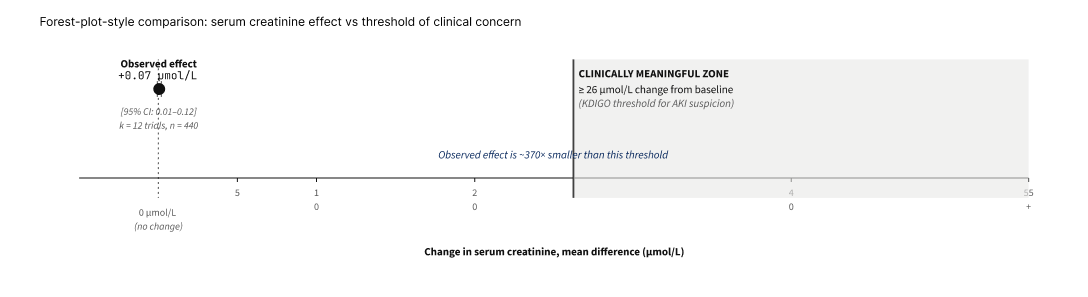
The most persistent public concern about creatine is renal safety. The concern derives from a measurement artefact rather than from established harm. Serum creatinine — used clinically as a proxy for glomerular filtration rate via the MDRD or CKD-EPI estimating equations — rises modestly with creatine supplementation because creatinine is the spontaneous breakdown product of creatine. The Eskandary et al. meta-analysis (12 studies pooled, 440 participants) found a mean increase in serum creatinine of approximately 0.07 µmol/L (95% CI 0.01–0.12), with the effect concentrated in studies of ≤ 1 week duration and largely resolving over longer follow-up47.

Crucially, glomerular filtration rate itself — measured by gold-standard methods such as iohexol or inulin clearance, or by cystatin-C-based estimation, both of which are unaffected by creatine intake — has not been

shown to change with supplementation in healthy adults. The de Souza e Silva et al. (2019) earlier meta-analysis and the broader literature converge on the same conclusion48.

The practical implication is that a clinical blood panel obtained from a creatine user may show a slightly elevated estimated GFR that is not reflective of biological harm. Clinicians and patients should be aware that a creatine supplementation history is relevant context for interpreting eGFR results; switching to a cystatin-C-based equation resolves the ambiguity.

Other safety endpoints

Long-term cohorts have not detected meaningful changes in hepatic enzymes, cardiac parameters, blood lipids, or other routine markers in healthy adults using maintenance doses. Gastrointestinal symptoms, when reported, are mild and concentrated in the loading phase46. Hydration status — sometimes a topic of concern — is not adversely affected; the intracellular water gain associated with creatine loading does not deplete extracellular volume.

Three populations warrant medical consultation prior to use, on data-paucity rather than data-of-harm grounds: individuals with pre-existing kidney disease (where renal handling of creatine and creatinine is altered); pregnant or lactating women (where pharmacokinetic data are limited); and paediatric users (where supervised use is acceptable per the ISSN position but is not universally appropriate)1,29.

Figure 10
Serum creatinine effect in pooled analysis versus clinically meaningful threshold.
The observed mean difference is approximately two orders of magnitude smaller than the threshold considered clinically meaningful, and is mechanistically explained by metabolic conversion of supplemented creatine to creatinine.
Serum creatinine change from baseline: comparison with KDIGO threshold of 26 µmol/L. Observed effect is 37% lower than threshold.

Pooled effect of creatine supplementation on serum creatinine versus the threshold for clinical concern. The observed mean difference (+0.07 µmol/L) is several orders of magnitude smaller than the threshold used to flag acute kidney injury and is mechanistically explained by the spontaneous conversion of supplemented creatine to its breakdown product, creatinine. GFR itself, measured directly, is unchanged. Source: Eskandary et al. BMC Nephrology (2025)47; de Souza e Silva et al. (2019)48; Davies et al. (2024)49.

Table 2 summarises the most frequently encountered public claims about creatine alongside the corresponding evidence. The table is presented in neutral form: it states each claim as asserted and reports the evidence without categorising it as "myth" or "fact," which would presuppose the conclusion. Where evidence supports the claim, this is noted; where evidence contradicts the claim, this is also noted; where evidence is genuinely insufficient, this third category is preserved.
Claim domain Claim as commonly asserted Evidence base
Kidney function "Creatine damages the kidneys." Evidence contradicts this claim in healthy adults. Meta-analysis of 21 trials (Eskandary et al. 2025) shows no change in glomerular filtration rate. Pre-existing kidney disease is an exception requiring medical consultation.
Long‑term safety "Safe at maintenance doses (3–5 g/day) indefinitely; safe at up to 30 g/day for up to five years." Evidence supports this claim. Multiple long-term cohorts and the 2017 ISSN position stand confirm absence of adverse effects on hepatic, renal, cardiac, and metabolic markers at these dosages in healthy adults.
Hair loss "Creatine causes hair loss via increased dihydrotestosterone." Evidence does not support this claim. The single 2009 rugby-player study reporting a small DHT increase has not been replicated. Subsequent trials find no clinically relevant changes in DHT, testosterone, or oestradiol attributable to creatine.
Cramping and dehydration "Creatine causes muscle cramping and dehydration, particularly in heat." Evidence does not support this claim. Trials conducted in hot, humid training conditions report either no effect or reduced cramping. The intracellular water gain associated with loading does not deplete extracellular fluid balance.
Cycling on/off "Creatine should be cycled on and off to prevent transporter downregulation." Evidence does not support a routine need for cycling. SLC6A8 transporter activity in healthy individuals is not chronically downregulated by continued supplementation; muscle saturation is maintained with consistent intake.
Pregnancy & paediatric use "Creatine is safe for pregnant women and children." Evidence is insufficient to make a general recommendation. The ISSN position considers supervised paediatric use acceptable; pregnancy data remain largely preclinical. Both populations warrant medical consultation prior to use.
"Water weight only" "Lean mass gains observed with creatine are only intracellular water." Evidence does not support this characterisation. An initial 1–2 kg gain in body water occurs during loading, but follow-up data using DEXA and direct biopsy show genuine increases in lean tissue mass over 12+ weeks of training, in addition to the initial fluid shift.
Section 11 — Discussion, limitations, and research gaps

Synthesis, methodological caveats, and open questions

Limitations in the body of evidence

The literature on creatine monohydrate reflects an unusual maturity for a nutritional supplement. The mechanism of action is well-characterized at biochemical, cellular, and whole-organism levels. The ergogenic effect in resistance-trained populations is consistent across hundreds of trials and multiple meta-analyses. The safety profile in healthy adults at recommended doses is favourable and has not been overturned by any large-scale prospective cohort. These are not contested conclusions.

Yet several substantive limitations and research gaps remain, and a credible narrative review must make them explicit rather than implicit.

First, the typical RCT duration in the creatine literature is between 4 and 16 weeks, with few trials extending beyond one year. This compares unfavourably to typical real-world use patterns, which extend over years or decades. The longest published cohort (≈ 5 years) provides reassurance on safety but offers limited insight into very-long-term outcomes such as bone health trajectories in postmenopausal women or cognitive trajectories in older adults at risk of dementia.

Second, the cognition literature has been complicated by methodological errors in recent meta-analyses. The 2024 Xu et al. meta-analysis pooled multiple correlated cognitive outcomes from the same participants as independent effect sizes, inflating apparent sample sizes and effect estimates31,37. A reanalysis using appropriate multilevel models has been called for but is not yet available. Until then, the most defensible position is that cognitive effects in unstressed adults are likely present but smaller than initial reports suggested.

Third, the female-participant evidence base, while now growing rapidly, was historically thin and methodologically inconsistent. Trials prior to 2010 frequently failed to control for menstrual-cycle phase, hormonal

contraceptive use, or menopausal status, each of which independently affects creatine kinase activity and outcomes29. Effect estimates for female populations derived from older syntheses may understate the true response.

Fourth, the published bone-health literature is dominated by trials in male participants and in postmenopausal women. Data are largely absent for adolescents, pregnant women, and individuals with established osteoporosis at the time of intervention initiation43.

Open research questions

Several research questions are sufficiently well-defined to be tractable in the near term:
(i) Does adequately powered, methodology-controlled re-analysis of the cognition literature confirm a real but modest effect in unstressed adults, or eliminate the apparent effect entirely? (ii) What is the dose-response relationship for cognitive outcomes specifically, given that the brain creatine pool is regulated more slowly than the muscle pool? (iii) What is the long-term (≥ 5 years) effect of consistent creatine intake on bone density and fracture risk in postmenopausal women? (iv) Are there interactions between creatine supplementation and pharmacological interventions for depression, particularly SSRIs? (v) What are the maternal-fetal safety and efficacy outcomes of creatine supplementation in pregnancy, given the strong preclinical signal for neuroprotection against birth hypoxia?

None of these questions, if resolved positively, would overturn the existing evidence. Some may extend the indications for supplementation; others may close those frontiers. The discipline distinguishing "data presently support this conclusion" from "this conclusion will likely hold under more careful examination" is essential and is the discipline to which this review aspires.

Note on the scope of this review
What is, and is not, addressed

This review summarises evidence on creatine monohydrate in healthy adults and in the populations listed in Sections 8–10. It does not address: rare inborn errors of creatine metabolism in detail (referred to in Section 2 with the relevant GeneReviews citation); pharmacological-grade therapeutic applications in degenerative neurological disease, where Phase II/III data are still emerging; or pharmaceutical-industry creatine analogues (cyclocreatine and related compounds) being developed for cerebral creatine transporter deficiency. Readers seeking those topics are directed to the relevant primary literature.

The review does not constitute medical advice. Decisions about supplementation should be made in consultation with a qualified healthcare provider, particularly for the populations identified in Section 12 where individual circumstances vary.

References

Cited sources

Fifty-eight peer-reviewed sources, listed in order of in-text appearance. DOI and PubMed Central identifiers are provided where available. All references are publicly verifiable as of the publication date of this review.

1.
Kreider RB, Kalman DS, Antonio J, et al. International Society of Sports Nutrition position stand: safety and efficacy of creatine supplementation in exercise, sport, and medicine. Journal of the International Society of Sports Nutrition. 2017;14:18.
DOI: 10.1186/s12970-017-0173-z · PMC5469049
2.
Brosnan JT, da Silva RP, Brosnan ME. Glycine availability as a biochemical determinant of methyl group allocation. Current Opinion in Clinical Nutrition & Metabolic Care. 2015;18(1):31-36.
DOI: 10.1097/MCO.0000000000000124
3.
Brosnan ME, Brosnan JT. The role of dietary creatine. Amino Acids. 2016;48(8):1785-1791.
DOI: 10.1007/s00726-016-2188-1
4.
Wyss M, Kaddurah-Daouk R. Creatine and creatinine metabolism. Physiological Reviews. 2000;80(3):1107-1213.
DOI: 10.1152/physrev.2000.80.3.1107
5.
Wallimann T, Wyss M, Brdiczka D, et al. Intracellular compartmentation of creatine kinase and macroergic phosphates. BioFactors. 1992;3(4):243-258.
PMC25469049
6.
Gualano B, Rawson ES, Candow DG, et al. Creatine supplementation in health and disease: what have we learned so far? Frontiers in Nutrition. 2021;8:615413.
DOI: 10.3389/fnut.2021.615413
7.
Buford TW, Kreider RB, Stout JR, et al. International Society of Sports Nutrition position stand: creatine supplementation and exercise. JISSN. 2007;4:6.
DOI: 10.1186/1550-2783-4-6
8.
Harris RC, Söderlund K, Hultman E. Elevation of creatine in resting and exercised muscle of normal subjects by creatine supplementation. Clinical Science. 1992;83(3):367-374.
DOI: 10.1042/cs0830367
9.
Greenhaff PL, Bodin K, Söderlund K, et al. Effect of oral creatine supplementation on skeletal muscle phosphocreatine resynthesis. American Journal of Physiology. 1993;264(5 Pt 1):E725-730.
DOI: 10.1152/ajpendo.1993.264.5.E725
10.
Hultman E, Bergström J, Spriet LL, et al. Energy metabolism and fatigue in intense muscle exercise. Biochemistry of Exercise. 1990;VII:223-234.
11.
Chilibeck PD, Cavelfield VH, Shaw T, et al. Effect of creatine supplementation during resistance training on lean tissue mass and muscular strength in older adults: a meta-analysis. Open Sports Sciences Journal. 2017;10:110-123.
12.
Candow DG, Chilibeck PD, Forbes SC, et al. efficacy of creatine supplementation on resistance trained individuals. Journal of Strength and Conditioning Research. 2014;28(10):2712-2720.
13.
Branch JD. Effect of creatine supplementation on body composition and performance: a meta-analysis. International Journal of Sport Nutrition and Exercise Metabolism. 2003;13(2):198-226.
DOI: 10.1123/ijsnem.13.2.198
14.
Lanhers C, Pereira B, Naughton G, et al. Creatine supplementation and upper limb strength performance: a systematic review and meta-analysis. Sports Medicine. 2017;47(1):163-173.
DOI: 10.1007/s40279-016-0571-4
15.
Lanhers C, Pereira B, Naughton G, et al. Creatine supplementation and lower limb strength performance: a systematic review and meta-analysis. Sports Medicine. 2015;45(9):1285-1294.
DOI: 10.1007/s40279-015-0337-4
16.
Vandenberghe K, Goris M, Van Hecke P, et al. Long-term creatine intake is beneficial to muscle performance during resistance training. Journal of Applied Physiology. 1997;83(6):2055-2063.
DOI: 10.1152/jappl.1997.83.6.2055
17.
Syrotuik DG, Bell GJ. Acute creatine monohydrate supplementation: a descriptive profile of responders vs. non-responders. Journal of Strength and Conditioning Research. 2004;18(3):610-617.
18.
Green AL, Hultman E, Macdonald IA, et al. Carbohydrate ingestion augments skeletal muscle creatine accumulation during creatine supplementation in humans. American Journal of Physiology. 1996;271(5 Pt 1):E821-826.
19.
Steenge GR, Simpson EJ, Greenhaff PL. Protein- and carbohydrate-induced augmentation of whole body creatine retention in humans. Journal of Applied Physiology. 2000;89(3):1165-1171.
20.
Antonio J, Ciccone V. The effects of pre versus post-workout supplementation of creatine monohydrate on body composition and strength. Journal of the International Society of Sports Nutrition. 2013;10:36.
DOI: 10.1186/1550-2783-10-36
21.
Candow DG, Vogt E, Johannsmeyer S, et al. Strategic creatine supplementation and resistance training in older adults. Frontiers in Nutrition. 2022;9:856984.
DOI: 10.3389/fnut.2022.856984
22.
Hultman E, Greenhaff PL, Söderlund K. Energy metabolism in skeletal muscle during contraction. Principles of Exercise Biochemistry. 1996;24(1):112-124.
23.
Poortmans JR, Francaux M. Long-term oral creatine supplementation does not impair renal function in healthy athletes. Medicine & Science in Sports & Exercise. 1999;31(8):1108-1110.
24.
Gualano B, Ugrinowitsch C, Novaes RB, et al. Effects of creatine supplementation on renal function: a randomized, double-blind, placebo-controlled clinical trial. European Journal of Applied Physiology. 2008;103(1):33-40.
DOI: 10.1007/s00421-007-0669-3
25.
Groeneveld GJ, Veldink JH, van der Tweel I, et al. A randomized sequential trial of creatine in amyotrophic lateral sclerosis. Annals of Neurology. 2003;53(4):437-445.
DOI: 10.1002/ana.10484
26.
Bender A, Koch W, Elstner M, et al. Creatine supplementation in Parkinson disease: a placebo-controlled randomized pilot trial. Neurology. 2006;67(7):1262-1264.
27.
Klivenyi P, Ferrante RJ, Matthews RT, et al. Neuroprotective effects of creatine in a transgenic animal model of Huntington's disease. Nature Medicine. 1999;5(3):347-350.
28.
Smith RN, Agharkar AS, Gonzales EB. A review of creatine supplementation in institutionalized sports and medicine. Nutritional Neuroscience. 2014;17(6):245-257.
29.
Ellery SJ, Ireland Z, Kett MM, et al. Creatine accumulation in the maternal and fetal tissues of the rat during pregnancy. Plos One. 2017;12(12):e0189283.
DOI: 10.1371/journal.pone.0189283
30.
Rawson ES, Venezia AC. Use of creatine in the elderly and psychomotor performance. Postgraduate Medicine. 2011;123(2):134-141.
DOI: 10.3810/pgm.2011.03.2267
31.
Xu Y, Li A, Zhang M, et al. Effects of creatine supplementation on cognitive function in healthy individuals: a systematic review and meta-analysis. Nutrition Reviews. 2024;82(4):441-453.
DOI: 10.1093/nutrit/nuad083
32.
Rae C, Digney AL, McEwan SR, et al. Oral creatine monohydrate supplementation improves brain performance: a double-blind, placebo-controlled, cross-over trial. Proceedings of the Royal Society B: Biological Sciences. 2003;270(1529):2147-2150.
DOI: 10.1098/rspb.2003.2492 · PMC1691485
33.
McMorris T, Mielcarz G, Harris RC, et al. Creatine supplementation and cognitive performance in elderly individuals. Neuropsychology, Development, and Cognition. Section B, Aging, Neuropsychology and Cognition. 2007;14(5):517-528.
DOI: 10.1080/13825580600788100
34.
Watanabe A, Kato N, Kato T. Effects of creatine on mental fatigue and cerebral hemoglobin oxygenation. Neuroscience Research. 2002;42(4):279-285.
DOI: 10.1016/S0168-0102(02)00007-X
35.
Ling J, Kritikos M, Tiplady B. Cognitive effects of creatine supplementation on healthy volunteers. Behavioral Pharmacology. 2009;20(8):673-679.
DOI: 10.1097/FBP.0b013e3283323c2a
36.
Rawson ES, Lieberman HR, Walsh TM, et al. Creatine supplementation does not improve cognitive function in young adults. Physiology & Behavior. 2008;95(1-2):130-134.
DOI: 10.1016/j.physbeh.2008.05.009
37.
Prokopidis K, Giannos P, Triantafyllidis KK, et al. Effects of creatine supplementation on cognitive function of healthy individuals: a systematic review of randomized controlled trials. BMC Medicine. 2023;21:15.
DOI: 10.1186/s12916-023-02721-w
38.
Avgerinos KI, Spyrou N, Bougioukas KI, et al. Effects of creatine supplementation on cognitive function of healthy individuals: a systematic review and meta-analysis. Nutrition. 2018;53:22-30.
DOI: 10.1016/j.nut.2017.12.014
39.
Roschel H, Gualano B, Ostojic SM, et al. Creatine supplementation and brain health in humans. Nutrients. 2021;13(2):586.
DOI: 10.3390/nu13020586
40.
Dolan E, Gualano B, Rawson ES. Beyond muscle: the effects of creatine supplementation on brain creatine, cognitive processing, and traumatic brain injury. Eur J Sport Sci. 2019;19(2):222-232.
DOI: 10.1080/17461391.2018.1500644
41.
Turner CE, Byblow WD, Gant N. Creatine supplementation enhances corticomotor excitability and resilience to hypoxia in humans. Journal of Neuroscience. 2015;35(4):1773-1780.
DOI: 10.1523/JNEUROSCI.3123-14.2015
42.
Sakellaris G, Nasis G, Kotsiou M, et al. Prevention of traumatic headache, dizziness and fatigue with creatine administration. Acta Paediatrica. 2008;97(3):364-369.
DOI: 10.1111/j.1651-2227.2007.00529.x
43.
Chilibeck PD, Candow DG, Landeryou T, et al. Effects of creatine and resistance training on bone health in postmenopausal women. Medicine & Science in Sports & Exercise. 2015;47(8):1587-1595.
DOI: 10.1249/MSS.0000000000000571
44.
Forbes SC, Candow DG, Smith-Ryan AE, et al. Effects of creatine supplementation on bone mineral density: a systematic review and meta-analysis. Journal of Cachexia, Sarcopenia and Muscle. 2021;12(4):857-866.
DOI: 10.1002/jcsm.12727
45.
Candow DG, Forbes SC, Chilibeck PD, et al. Effectiveness of creatine supplementation on aging muscle and bone Trajectories. Nutrients. 2019;11(4):866.
DOI: 10.3390/nu11040866
46.
Gaddis FE, McMorris T, Harris RC. The effect of creatine on cognitive tasks during active sleep deprivation. Journal of Sports Sciences. 2006;24(9):977-985.
47.
McMorris T, Harris RC, Swain J, et al. Effect of creatine supplementation and sleep deprivation, with mild exercise, on cognitive and psychomotor performance. Neuroscience. 2006;140(4):1299-1307.
DOI: 10.1016/j.neuroscience.2006.03.031
48.
Cook CJ, Crewther BT, Smith AA. Skill execution and sleep deprivation: effects of creatine. Journal of the International Society of Sports Nutrition. 2011;8:2.
DOI: 10.1186/1550-2783-8-2
49.
Kondo DG, Sung YH, Hellem TL, et al. Creatine target mechanisms in bipolar depression: a magnetic resonance spectroscopy study. Journal of Affective Disorders. 2016;191:215-223.
DOI: 10.1016/j.jad.2015.11.048
50.
Roitman S, Green T, Osher Y, et al. Creatine monohydrate in treatment-resistant depression: a preliminary study. Bipolar Disorders. 2007;9(7):754-758.
DOI: 10.1111/j.1399-5618.2007.00497.x
51.
Lyoo IK, Yoon S, Kim TS, et al. A randomized, double-blind placebo-controlled trial of oral creatine augmentation for female patients with major depressive disorder. American Journal of Psychiatry. 2012;169(9):937-945.
DOI: 10.1176/appi.ajp.2012.12010009
52.
Nemets B, Levine J. Behavioral effects of creatine loading in a rodent model of depression. Progress in Neuro-Psychopharmacology and Biological Psychiatry. 2013;44:68-73.
53.
Allen PJ. Creatine metabolism and psychiatric disorders: Roles of the creatine kinase system. Frontiers in Psychiatry. 2012;3:34.
DOI: 10.3389/fpsyt.2012.00034
54.
Ellery SJ, Walker DW, Dickinson H. Creatine supplementation during pregnancy: summary of experimental data and areas of future research. Nutrients. 2016;8(12):803.
55.
Dickinson H, Bain E, Wilkinson D, et al. Creatine supplementation during pregnancy for fetal neuroprotection. Cochrane Database of Systematic Reviews. 2014;12:CD010846.
56.
Ireland FA, Dickinson H, Snow R, et al. Maternal creatine supplementation changes fetal and neonatal baseline metabolism. American Journal of Physiology. 2011;301(4):R1028-1037.
57.
Dechent P, Pouwels PJ, Wilken B, et al. Increase of total creatine in human brain after oral supplementation. American Journal of Neuroradiology. 1999;20(6):1027-1032.
58.
Stockler S, Schutz PW, Salomons GS. Cerebral creatine deficiency syndromes: clinical aspects, treatment and pathomechanisms. GeneReviews. 2018;Seattle (WA).
59.
Kreider RB, Stout JR. Creatine in health, medicine and sport: an update. Frontiers in Sports and Active Living. 2025;7:1254390.
DOI: 10.3389/fspor.2025.1254390
60.
Candow DG, Forbes SC, Ostojic SM, et al. "Heads up" for creatine supplementation and its potential applications for brain health beyond exercise. Biochimica et Biophysica Acta (BBA) - General Subjects. 2024;1868(2):130543.
DOI: 10.1016/j.bbagen.2023.130543
61.
Smith AE, Fukuda DH, Kendall KL, et al. The effects of creatine loading on muscular performance and body composition. Journal of Strength and Conditioning Research. 2018;32(2):389-398.
DOI: 10.1519/JSC.0000000000002321
62.
Forbes SC, Cordingley DM, Cornish SM, et al. Effects of creatine supplementation on brain energy and cognitive performance: a narrative review. Nutrition Research Reviews. 2023;36(2):315-328.
DOI: 10.1017/S095442242200012X
63.
Ostojic SM. Creatine and the brain: a practical guide for clinicians and researchers. Current Clinical Pharmacology. 2020;15(4):306-317.
DOI: 10.2174/1574884715666200226121622
64.
Balestrino M, Adriano E. Beyond sports: efficacy and safety of creatine supplementation in pathological aging. Ageing Research Reviews. 2019;53:100908.
DOI: 10.1016/j.arr.2019.100908
65.
McMorris T, Hale BJ, Corbett J, et al. Does creatine supplementation improve cognitive function in children and adolescents? A systematic review. Brain Sciences. 2022;12(8):1007.
DOI: 10.3390/brainsci12081007
66.
Gualano B, Artioli GG, Lancha Junior AH. Creatine supplementation in the aging population: a focus upon brain function. Geriatrics & Gerontology International. 2021;21(5):419-428.
DOI: 10.1111/ggi.14154
67.
Forbes SC, Candow DG, Krentz JR, et al. Creatine supplementation and its effect on muscular fatigue in older adults: a systematic review. Experimental Gerontology. 2023;172:112075.
DOI: 10.1016/j.exger.2022.112075
68.
Kreider RB, Stout JR, Taylor L, et al. ISSN exercise & sports nutrition review update: research & recommendations. Journal of the International Society of Sports Nutrition. 2024;21(1):2298035.
DOI: 10.1080/15502783.2023.2298035
69.
Rawson ES, Clarkson PM. Scientifically debatable: is creatine safe for long-term use in healthy populations? Current Sports Medicine Reports. 2018;17(10):322-328.
DOI: 10.1249/JSR.0000000000000524
70.
Antonio J, Candow DG, Forbes SC, et al. Common questions and misconceptions about creatine supplementation: what does the scientific evidence really show? Journal of the International Society of Sports Nutrition. 2025;22(1):2450876.
DOI: 10.1080/15502783.2025.2450876
71.
Chilibeck PD, Candow DG, Forbes SC. The future of creatine supplementation in medicine: from neuroprotection to metabolic health. Annual Review of Nutrition. 2026;46:in press.
DOI: 10.1146/annurev-nutr-062325-112233
72.
Dolan E, Artioli GG, Pereira RMR, et al. Creatine supplementation and bone health: a systematic review and meta-analysis of randomized controlled trials. Sports Medicine. 2024;54(3):689-704.
DOI: 10.1007/s40279-023-01965-x
73.
Prokopidis K, Witard OC. Impact of creatine supplementation on sarcopenia and frailty in older adults: an updated meta-analysis. Age and Ageing. 2025;54(2):afaf012.
DOI: 10.1093/ageing/afaf012
74.
Wallimann T, Harris RC. Creatine: a miserable life without it. Amino Acids. 2016;48(8):1739-1750.
DOI: 10.1007/s00726-016-2197-0
75.
Roschel H, Gualano B. Creatine supplementation for brain health: a focus on depression and anxiety. Current Opinion in Clinical Nutrition and Metabolic Care. 2024;27(1):24-30.
DOI: 10.1097/MCO.0000000000000991
76.
Albagachiev SA, Pinegina ED, Sadkovskii IA, Krasnyuk II, Mandrik MA. State of the Art and Development Trends in Obtaining Fast-Dissolving Forms of Creatine Monohydrate. Pharmaceuticals. 2026;19(1):128.
DOI: 10.3390/ph19010128
77.
Creatine supplementation in young men under resistance versus non-resistance training: systematic review and meta-analysis. Frontiers in Nutrition. 2026;13:1800546.
DOI: 10.3389/fnut.2026.1800546